


GTD Was Right About the Mind. It Was Built for 2001.
October 10, 2026
AI, Productivity
David Allen's GTD still works. But most of its rules were about paper, and the AI version of the system fails in a new way.
See Article >>You Don’t Have an AI Strategy Problem. You Have a Game Design Problem.
May 11, 2026
AI, Culture
Microsoft just spent millions proving the bottleneck is culture. Here's what to do about it.
See Article >>The Culture of Games with JC Calciano
August 29, 2025
Culture, Games
A conversation about games, culture, and Casting Call the Game.
See Article >>Don't be on time… Be early
January 18, 2024
Culture, Hacks
Time is the one reality everyone in a culture can agree on — and the highest performers treat it that way.
See Article >>How to Control Culture
October 5, 2023
Culture
You can't actually control people — so what can you control?
See Article >>The Opt-in Framework (How buy-in really works)
April 28, 2023
Buy-in, Change
Trying to "get" buy-in is the soft equivalent of manipulation. Invitations are more powerful.
See Article >>The New C-Level Position
June 1, 2020
Leadership
When we lose the office, the glue holding a company together is communication itself.
See Article >>How to Stay Relevant
May 19, 2020
Communication
The NOW is getting shorter. Five tips for being relevant in a real-time world.
See Article >>Was it Boeing's technology that failed, or the culture?
April 25, 2019
Culture, Values
Robots don't make planes (yet). People do.
See Article >>Don’t outsource your culture to HR
January 16, 2019
Leadership
The best leaders realize that they ARE the chief culture officers.
See Article >>It's not the software
July 20, 2018
Culture, Technology
Along come all the people who think software can run the show. Guess again.
See Article >>The Fastest Way to Change Beliefs
April 10, 2016
Change, Experience
You can't tell people what to think. Beliefs are shaped by experiences.
See Article >>Culture must be experienced.
August 3, 2015
Culture, Experience
There's a certain irony to giving speeches and writing books as a "culture expert."
See Article >>Everything you know about change management is wrong.
March 18, 2015
Change
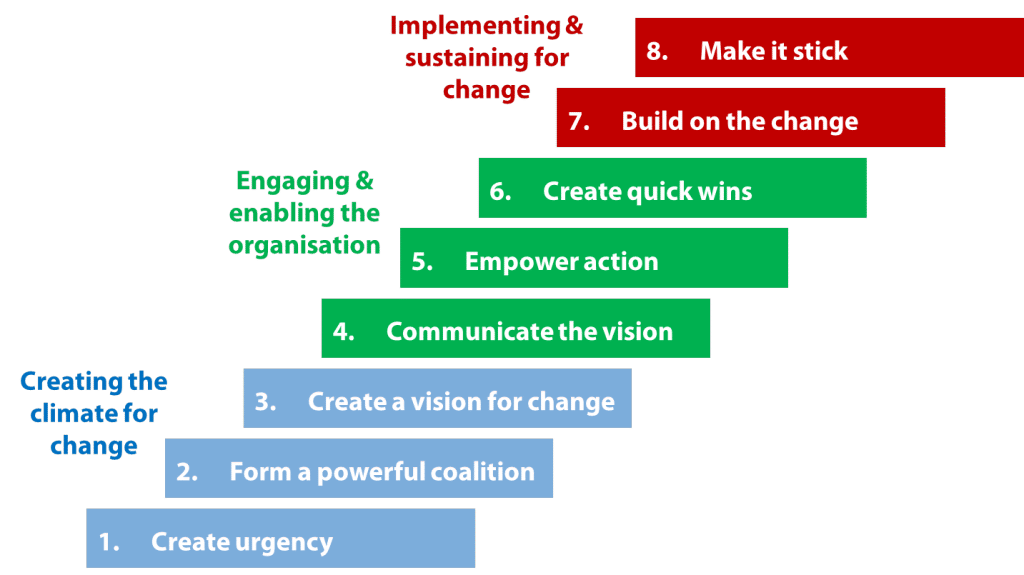
Kotter's 8 steps are brilliantly conceived. That doesn't mean they'll work for you.
See Article >>3 Steps to a Culture Change
October 6, 2014
Culture, Change
The three key questions behind any culture change.
See Article >>Accountability is a Skill, not a Value
June 14, 2013
Values
No one seeks accountability. We all want freedom. That's why it's a muscle, not a value.
See Article >>